My take on Art
A brief exploration of art and life
Annabelle
9/16/20256 min read


Introduction
I believe that art is a form of human expression which varies across both culture and history. Traditional art refers to the established and conventional practices that have been handed down through generations and tied closely to cultural identity which reflects the values, beliefs and historical narratives. Often, we use art to understand history when other information sources are limited; it provides a rich supply of perspective and I hold value to physical forms as art as much as written forms of history such as novels and texts. On the other hand, modern art represents a break from the past, emerging as a diverse and innovative movement during the late 19th and early 20th centuries, characterised by a desire to challenge the norms of traditional artistic expression. A well known example would be Picasso’s work which deviated from the norm and manifested into a birth of new movements such as Cubism.
Moreover, I enjoy exploring the traditional art forms that are deeply embedded in the cultural heritage of various ethnic groups. For instance, Polish art is renowned for its folk traditions, vibrant colors, and intricate patterns that often depict historical events or rural life. Similarly, Norway's artistic heritage showcases the influence of nature through its majestic landscapes and the use of materials sourced from the Scandinavian environment. The focus on local culture and environment illustrates how heritage shapes art. Conversely, modern art reinterprets or rejects traditional values, using abstract forms and innovative techniques to address contemporary issues. This stylistic evolution reflects shifting perspectives on heritage and the world.
Common Perceptions: Modern vs. Traditional Art
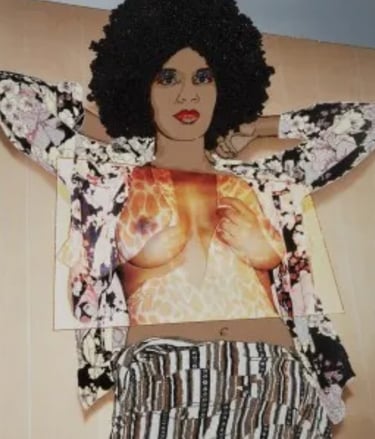
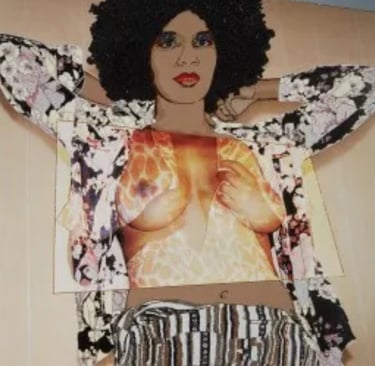
The evolution of artistic expression and perceptions surrounding traditional and modern art have sparked ongoing debates and varied opinions where traditional art, often viewed as a foundation for artistic skills, is celebrated for its meticulous techniques and historical significance. Renowned pieces such as Leonardo da Vinci’s "Mona Lisa" and Vincent van Gogh’s "Starry Night" exemplify the depth and technical prowess typical of this genre. More modern art has gained attraction for its unorthodox approaches and ability to reflect contemporary societal issues, the famous example of Banksy which has been at the forefront of redefining artistic boundaries such as Mickalene Thomas's "Le Déjeuner sur L'herbe: Les Trois Femmes Noir" I personally enjoy art that encourages viewers to reconsider the essence of art itself. However, the stereotype that modern art is arbitrary or formless is a debate that often branches into broader societal perceptions, including considerations of heritage and feminism. Traditional art has been historically dominated by male perspectives, which has led to criticisms regarding its inclusivity. Conversely, modern art has offered a platform for diverse voices and narratives, challenging conventional gender roles and expanding the conversation on identity. I believe that each art form presents unique merits and the debate itself fosters a richer understanding of artistic expression as a whole.
Ethnicity in Art: A Polish and Norwegian Perspective
Drawing from my own Polish and Norwegian ancestry, I find great value in exploring artworks that offer insights into my personal history and cultural roots. This connection between ethnic identity and creative output is clearly visible in the legacies of both historical and modern artists from Poland and Norway.
Polish traditional religious paintings and folk crafts serve as vital expressions of a cultural identity forged through a complex and often difficult history. A key figure in this evolution was Stanisław Wyspiański, who merged modernist techniques with nationalistic motifs by weaving Slavic folklore into his work. Not only do his artistic contributions reflect his own heritage, they capture a shared narrative that continues to define Polish identity; a fascinating and accurate representation that I find beautifully intriguing.
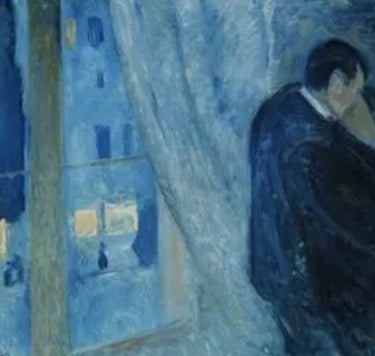
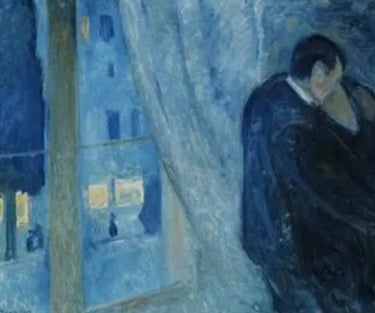
Norwegian art has often been about the relationship with the wild and the beautiful nature around us. During my research, I've been moved by Edvard Munch as I can see how he poured his soul and national identity into his work. Even today, seeing how modern artists like Kadsia Kahn use our traditional landscapes in new ways is such a beautiful expression. The synthesis of historical and contemporary existence resonates profoundly as I appreciate this artistic expression.
Feminist Art and Artemisia Gentileschi
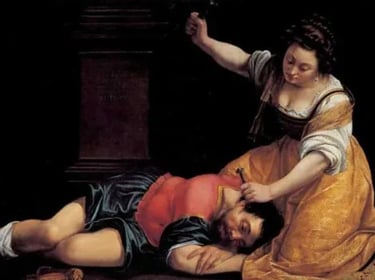
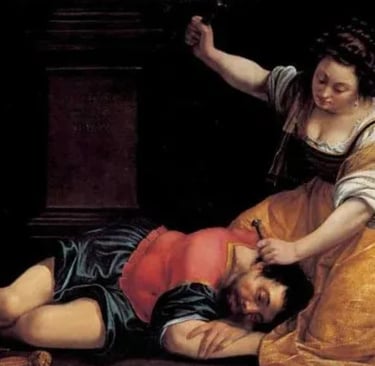
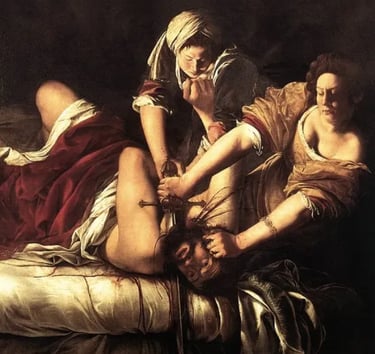
I believe that using art as an expression not only as one's self but also for political or social movements is a significant and beautiful type of art. I've specifically chosen to explore Artemisia Gentileschi who is one of my favourite artists at the moment. She stands as an emblematic figure in the realm of feminist art, with her contributions significantly shaping both historical and contemporary contexts. Born in 1593, this Italian Baroque painter faced numerous challenges, including gender discrimination, which profoundly influenced her artistic expression. Gentileschi’s work often reflects her personal experiences, especially her struggles against the patriarchal society of her time. Her portrayal of strong female figures not only serves to reclaim women's narratives in art history but also highlights themes of empowerment and resilience.
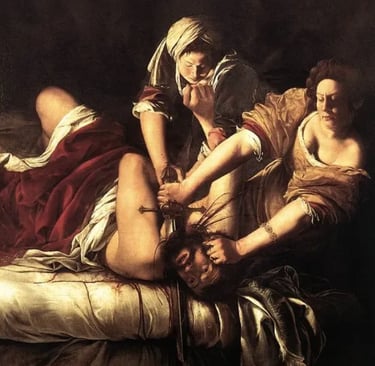
Gentileschi's most renowned work, "Judith Slaying Holofernes," is a powerful visual statement of female agency and defiance. The intensity and emotional depth of this painting resonate with contemporary audiences, bridging the gap between her experiences and modern feminist movements. Through her art, Gentileschi challenges the typically male-dominated perspectives of the time, offering a unique viewpoint that continues to inspire contemporary feminist artists. Her legacy is instrumental in the rise of feminist art, a particularly important form of art to me.
In recent years, figures such as Judy Chicago and Faith Ringgold celebrate women's experiences through their artwork, echoing Gentileschi's insistence on female representation. The connections between Gentileschi and these modern artists underscore the importance of incorporating women’s perspectives in the art world, championing the belief that art is an essential medium for expressing and understanding women’s experiences throughout history.
Diverse Art Forms
I love all forms of art. From poetry to scrapbooks. I particularly enjoy learning from art about other cultures and history as well as understanding something from a new perspective. For instance, I love ancient Greek sculptures that demonstrate the skill and aesthetic values of their time which showcase ideals of beauty back in that time. Moreover, I believe that Renaissance art remains my most cherished style to this day, as I find it deeply moving how it explores profound themes of faith and morality through such striking imagery.
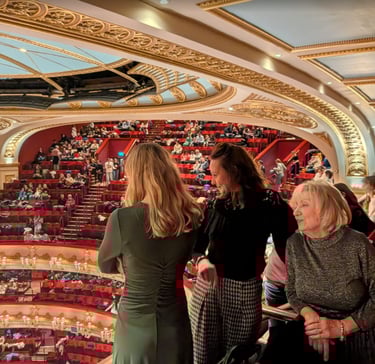
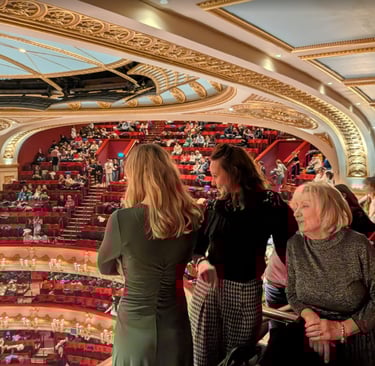
I also enjoy performance art. After recently watching the Nutcracker in London, I feel deeply connected not just to those on stage, but all the ballerinas from once before. This particular experience highlighted to me how performance art invites a dynamic interaction between the creator and the audience, often breaking down traditional barriers of representation found in more static mediums. Not only this, the evolution from traditional stage performances to experimental modern works demonstrates how art remains a powerful tool for connecting personal narratives with broader cultural histories and is most definitely still relevant to today's society despite growing opinions rejecting this. The links between traditional and modern art forms illustrate how creativity continually evolves, yet remains grounded in its cultural origins.
Literary Connections: The Picture of Dorian Gray
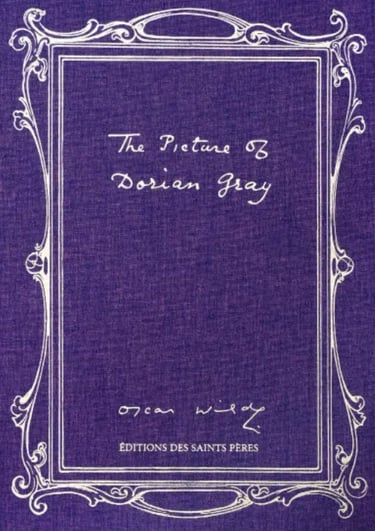
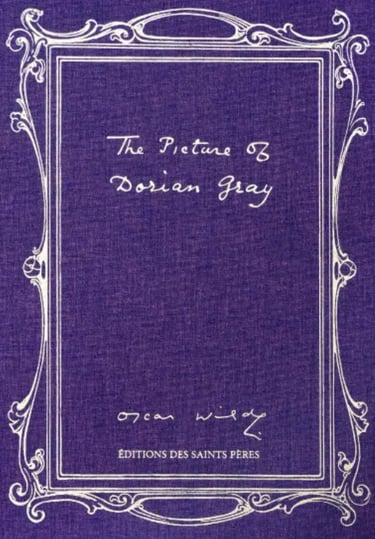
I have recently finished Oscar Wilde's acclaimed novel, 'The Picture of Dorian Gray', which stands as a poignant exploration of the interplay between beauty, morality, and the nature of art. I thoroughly enjoyed how this book delves deep into the complexities of human desire and the consequences of a pursuit for eternal youth and surface level aesthetic perfection. Through the character of Dorian Gray, Wilde critiques the superficial values of society, illustrating how an obsession with beauty can corrupt one's moral compass. This theme remains remarkably relevant in contemporary discussions surrounding art and its implications on identity and self-perception which is a theme experienced every day especially with the rise of social media. Today, art movements often reflect a broader discourse on beauty standards, questioning the definitions imposed by society, much like Wilde's critique of Victorian values.
Morality in 'The Picture of Dorian Gray' invites ongoing debates within the art community about the responsibility of the artist. Interestingly, the novel challenges artists themselves to consider how their art reflects societal values and influences public perception. This dialogue is increasingly crucial in a world where social media amplifies art's reach and impact. Wilde's work seems to transcend his time, as it also highlights relevant discussions about art's relationship with morality and self-identity in the modern era. 5/5 stars would recommend this as a read!